Wholesale Tools and Equipment for Global Buyers
YDS Tools supplies a comprehensive range of professional tools and equipment for distributors, wholesalers, hardware importers, contractors, retailers, and industrial buyers. Our product portfolio covers professional power tools, professional hand tools, tool attachments, measuring tools, and construction machinery for construction, installation, maintenance, fabrication, and workshop applications.
From high-performance drilling and cutting equipment to precision fastening tools, compatible power tool accessories, and jobsite machinery, our product range supports a wide variety of professional work requirements. Buyers can compare products according to their intended application, working material, operating conditions, required capacity, and compatibility requirements.
Whether you are developing a wholesale product assortment, sourcing tools for a hardware distribution business, or selecting equipment for a particular project, contact YDS to find the appropriate product for your projects.
-

China 6 Lithium Electric Oil Saw Supplier
-
China 4 Lithium Electric Oil Saw Manufacturer
-
China Lithium Electric Drill Factory
-

China SDS-max Hammers Supplier
-
China SDS-plus Hammers Pricelist
-
China Wholesale Cordless Right Angle Drills Manufacturer
-

China Breaker Hammers Supplier
-
China Corded Hammer Drills Pricelist
-
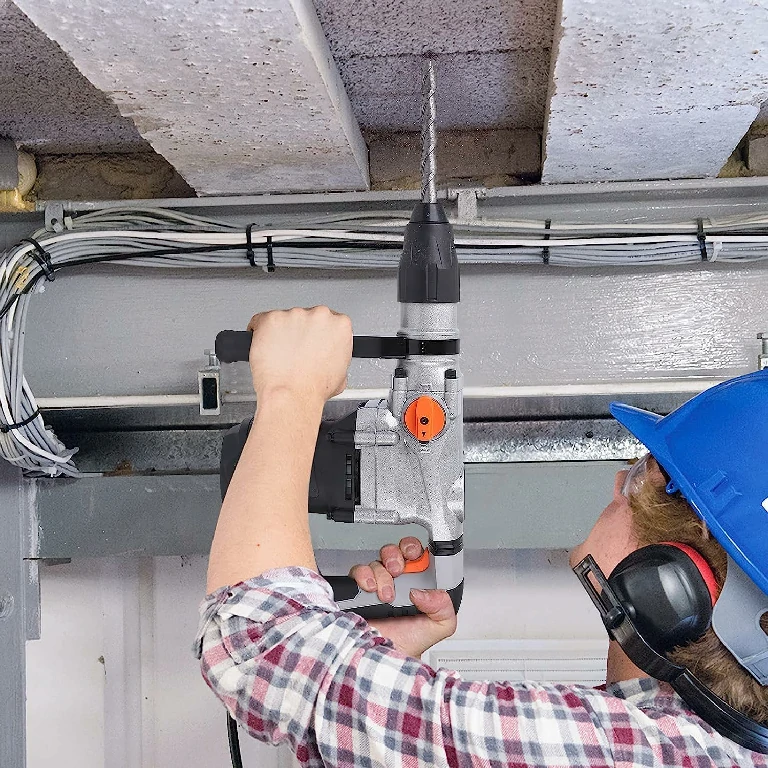
China Wholesale SDS Max Hammers Manufacturer
Professionaalsed elektrilised tööriistad
Power tools support drilling, hammering, grinding, cutting, fastening, welding, and other powered operations. Product selection depends on working capacity, power source, operating conditions, and accessory compatibility.
Our range includes corded drills and hammers, grinders and cutting tools, cordless tools, and welding and heat tools.
Explore the full range: Professionaalsed elektrilised tööriistad
Professionaalsed käsitööriistad
Hand tools are essential for fastening, gripping, cutting, striking, clamping, and general maintenance. Jaw geometry, working dimensions, material selection, handle design, and surface treatment all contribute to the suitability of a tool for its intended task.
Our range covers pliers and cutting tools, wrenches and spanners, hammers and chisels, and clamps and construction hand tools.
Explore the full range: Professionaalsed käsitööriistad
Professionaalsed lisad
Tool attachments help users match compatible equipment to specific drilling, fastening, sawing, hole-cutting, routing, grinding, and surface-preparation tasks. The right accessory depends on the workpiece, cutting geometry, dimensions, mounting interface, and operating limits.
- Puurimispuuri seeria
- Saetera seeria
- Screwdriver Bits
- Hole Saws & Router Bits
- Grinding Wheels & Wire Brushes
Explore the full range: Professionaalsed lisad
Professionaalsed mõõtmisvahendid
Measuring tools support dimensional checks, layout, leveling, and alignment in construction, installation, and workshop environments. Range, readability, construction, and required measurement tolerance are important factors when choosing the right product.
Explore the full range: Professionaalsed mõõtmisvahendid
Ehitusmasinad
Construction machinery and related equipment support drilling, demolition, material processing, and other jobsite operations, depending on the model. Buyers should evaluate rated capacity, power requirements, working conditions, portability, and maintenance needs.
Explore the full range: Ehitusmasinad
Product Design and Structural Engineering
A professional tool must be designed around the task it is intended to perform. Structural configuration, working geometry, component fit, handling, and accessory compatibility all influence the user experience and product suitability.
For hand tools, key design considerations may include jaw profiles, fastening interfaces, cutting edges, striking surfaces, leverage, and handle ergonomics. For power tools, relevant considerations include the drive system, housing, controls, cooling arrangements, protective components, and accessory interface. For attachments, cutting geometry, dimensions, mounting compatibility, and intended working material are central to product selection.
When evaluating a product, professional buyers should consider:
The appropriate design depends on the product category and model. Specifications should be reviewed at product level rather than assumed to apply to an entire range.
Material Selection and Manufacturing Requirements
Material selection is an important factor in tool performance, durability, weight, corrosion resistance, and working suitability. Different product categories require different material characteristics and manufacturing approaches.
Depending on the product, buyers may need to evaluate steel grade, component construction, heat treatment, surface finish, housing material, handle material, cutting-edge properties, or corrosion-protection requirements.
| Product group | Material and construction considerations | What buyers should verify |
|---|---|---|
| Hand Tools | Tool steel, forging or machining, handle construction, surface finish | Specified material grade, dimensions, heat treatment, and applicable performance data |
| Power Tools | Housing, drive components, electrical parts, controls, and protective features | Rated input, working capacity, component configuration, and model specifications |
| Drill Bits & Saw Blades | Cutting material, tooth or edge geometry, shank or mounting design | Workpiece compatibility, dimensions, operating limits, and intended application |
| Screwdriver Bits | Tip geometry, working material, dimensions, and holder interface | Drive profile, tip size, fit, and intended fastening duty |
| Grinding Accessories & Wire Brushes | Working surface, abrasive or wire configuration, mounting, and dimensions | Intended operation, rated speed where applicable, and compatibility |
| Measuring Tools | Body construction, markings, readability, and working dimensions | Measuring range, required tolerance, and available technical documentation |
| Ehitusmasinad | Structural components, drive systems, working interfaces, and protective components | Rated capacity, power requirements, operating conditions, and maintenance requirements |
Material grades, hardness values, coatings, and manufacturing processes should be confirmed against the relevant product specifications. This helps buyers compare products accurately and prevents general category descriptions from being mistaken for model-specific guarantees.
Customization and OEM Product Requirements
Different markets have different expectations for product specifications, branding, packaging, labeling, and assortment planning. For distributors and importers, customization may help align a product range with local customer preferences, retail channels, and purchasing requirements.
Depending on product suitability and available services, customization discussions may cover:
Product Specifications
Discuss the required dimensions, product configuration, material requirements, accessories, and technical specifications. Any proposed changes should be evaluated for feasibility and suitability for the intended application.
Branding and Private Label
For buyers seeking branded products, clarify the required logo treatment, branding location, product marking, and applicable packaging or labeling requirements. Available options should be confirmed for each product.
Packaging and Labeling
Packaging requirements may vary by sales channel, destination market, and product type. Buyers should specify packaging format, product labels, language requirements, carton information, and any applicable handling instructions.
Assortment Planning
Distributors may need a coordinated assortment across power tools, hand tools, attachments, measuring tools, and construction equipment. Share the intended market, product mix, target price positioning, and estimated order quantities to help evaluate suitable options.
Technical and Compliance Documentation
Where required, buyers should identify the destination market and relevant documentation needs early in the sourcing process. Product-specific requirements, testing, certification, and documentation availability must be confirmed before making compliance claims.
To discuss a customized product requirement, provide the product type, reference model or drawing if available, requested changes, target market, packaging requirements, and estimated quantity.
Product Supply and Wholesale Sourcing
Reliable sourcing involves more than selecting individual products. Buyers also need to understand product availability, order requirements, packaging arrangements, lead times, and the consistency of specifications across repeat purchases.
YDS Tools serves a range of professional tool categories, allowing buyers to explore multiple product groups through one sourcing channel. For multi-category inquiries, a clear product list and specification brief can help streamline product review and order planning.
When evaluating supply suitability, consider:
Actual capacity, stock availability, minimum order quantities, production lead times, and shipping arrangements depend on the products and order details. These should be confirmed during quotation and order review rather than assumed to be identical across all categories.
Applications and Buyer Groups
Electrical and Mechanical Installation
Suitable cutting and stripping tools, fastening tools, measuring equipment, and compatible power tool accessories.
How to Select the Right Products for Your Market
| Purchasing priority | Recommended approach | Information to prepare |
|---|---|---|
| Developing a new product range | Review the main product categories and your target customer groups | Target market, intended users, category mix |
| Comparing product construction | Evaluate material, design, dimensions, and model-specific specifications | Reference models, technical requirements, use conditions |
| Sourcing custom products | Identify feasible specification, branding, and packaging requirements | Drawings or samples if available, requested changes, target quantity |
| Building a wholesale assortment | Group products by application and expected customer demand | Product list, expected quantities, preferred packaging |
| Planning repeat orders | Confirm product references, specifications, order terms, and lead times | Model numbers, order forecast, delivery requirements |
| Meeting destination-market requirements | Identify relevant standards and documentation needs before ordering | Destination country, applicable requirements, requested documents |
Frequently Asked Questions
What types of professional tools does YDS Tools offer?
The product portfolio covers professional power tools, professional hand tools, tool attachments, measuring tools, and construction machinery. Visit the relevant category pages to review the products currently listed.
What should I consider when evaluating tool quality?
Review product design, material specifications, working geometry, manufacturing requirements, surface treatment, handling, and model-specific performance data. The most relevant criteria depend on the type of tool and its intended application.
Can I request OEM or private-label products?
If you require OEM or private-label products, share your product references, target market, branding requirements, packaging details, and estimated quantities. Available services and feasibility should be confirmed for the specific products.
Can product materials or specifications be customized?
Some product requirements may be adjustable depending on the product design, manufacturing process, and available customization services. Provide the requested material or specification changes so they can be reviewed before quotation.
Can I source multiple tool categories from one supplier?
YDS Tools offers several professional tool categories. Buyers can submit a consolidated inquiry covering their required product types, specifications, and quantities. Availability and order terms should be confirmed for each product.
How can I confirm product specifications before ordering?
Provide the model number, product link, technical requirement, or reference document where available. Request confirmation of relevant materials, dimensions, operating ratings, accessories, packaging, and any required documentation before placing the order.
How do I request a wholesale quotation?
Prepare a product list with model references, quantities, target market, packaging requirements, and any customization requests. This information helps the sales team review the inquiry and confirm applicable commercial terms.
Discuss Your Tool Sourcing Requirements
Whether you are building a wholesale assortment, sourcing professional tools for a specific application, or evaluating customized product requirements, start by sharing your product list and purchasing objectives.
Tell us what products you need, which specifications matter most, your target market, and your estimated quantities. YDS Tools team can help you review relevant product options and confirm the details needed for your sourcing decision.