クロウバー
Uses of a Crowbar
1. Prying and Lifting
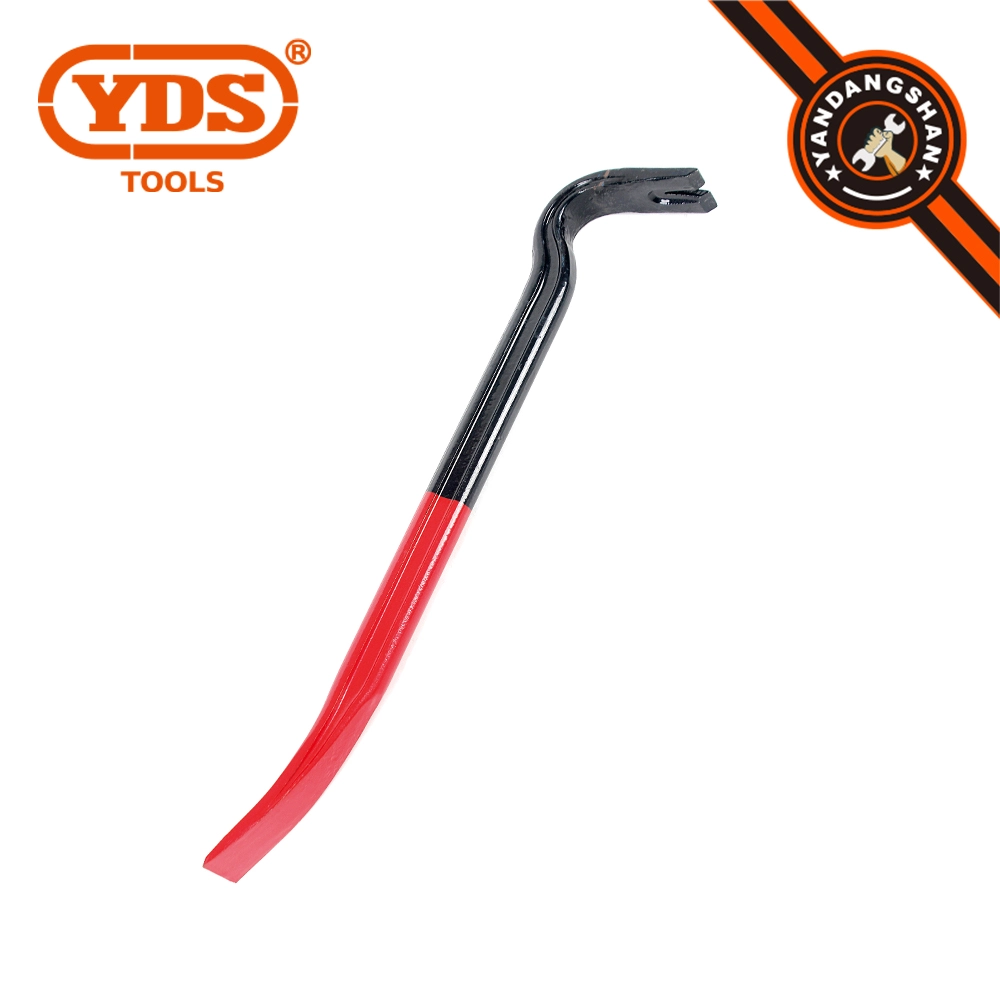
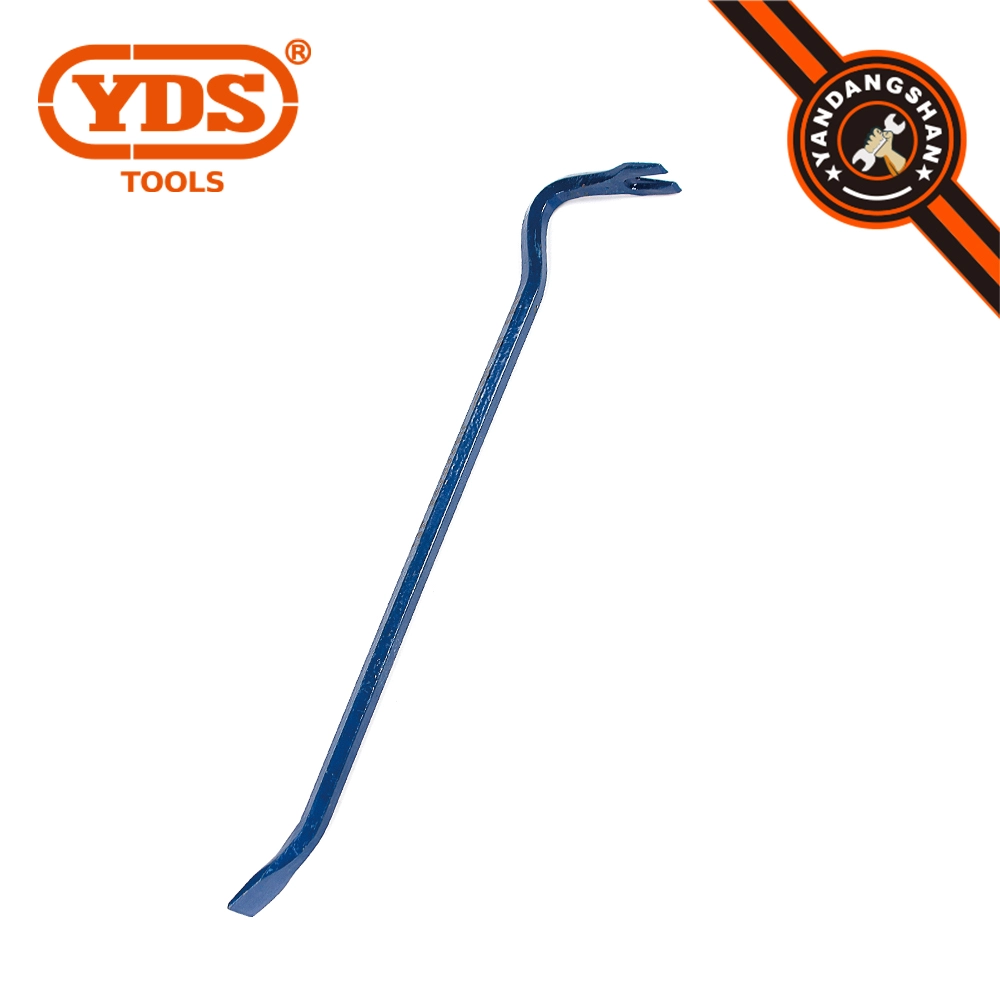
It is used for lifting, prying, or separating objects, such as drawing out nails, lifting boards, or prying structures apart in demolition.
2. Demolition Work
Very suitable for breaking up walls, floors, or any other material in the course of construction or renovation work. The crowbar helps in the disintegration or dismantling process.
3. Removing Nails and Fasteners
The pointed end of the crowbar is perfect to pull out nails, staples, and other fixings from wood, metal, or other materials.
4. Breaking and Splitting Materials
Will be able to break up woods, plasters, among other materials, making the tool useful in construction and demolition works.
5. General Heavy-Duty Applications
Find its use in providing leverage for many tasks, including lifting heavy loads, separating beams, or breaking crates, among many other general heavy-duty applications.
Advantages of a Crowbar
1. Strength and Durability
Being manufactured from high-quality steel, the crowbar has been designed to undertake tough usages in high-impact jobs, thus it will tend to be very durable.
2. Versatility
The crowbar can do quite a lot, ranging from prying, lifting, breaking, to demolition. It may therefore be applied almost in every field, either in professional use or for self-service.
3. Leverage and Control
The long, curved shape offers great leverage: Users can apply a lot of force with little effort to pry or lift something. Efficiency: Saves time and effort for most demolition and construction tasks by enabling workers to get the job done quickly and with ease. Compact and Easy to Use: The simple design of a crowbar makes it compact and easy to handle and maneuver, even in tight or awkward spots.
4. Cost-Effective
A crowbar is a very valuable tool with several purposes, adding huge value through the number of different jobs it will perform and hence not requiring multiples for a specialized function.
5. Safety
High leverage and high control-this crowbar can make sure of your safety while operating high-duty functions by reducing strains and risks.