Tool Accessories for Drilling, Cutting, Fastening, and Surface Preparation
YDS Tools supplies professional tool accessories and attachments for drilling, screwdriving, sawing, hole cutting, routing, grinding, and surface preparation. Our accessories range helps distributors, hardware importers, contractors, workshops, and industrial buyers source complementary products for compatible power tools and material-processing equipment.
Accessory selection requires attention to more than the product name. Workpiece material, cutting geometry, dimensions, mounting interface, operating speed, and the intended task all influence whether an accessory is suitable. A drill bit, screwdriver bit, saw blade, hole saw, router bit, grinding wheel, and wire brush each serve different purposes.
Contact YDS Tools to compare products for your application.


Main Types of Professional Tool Attachments
1. Drill Bit Series
Drill bits create holes in compatible materials. Different bit geometries, cutting materials, shank designs, and working lengths are developed for different drilling requirements.
Depending on the available models, the product range may include drill bits for masonry, concrete, metal, wood, and other specified materials. Buyers should confirm the intended workpiece and drilling method before selecting a bit.
Key selection factors:
- Workpiece material: Confirm whether the bit is designed for the material being drilled.
- Hole dimensions: Match diameter and working length to the required hole.
- Cutting geometry: Consider the bit design and its intended drilling operation.
- Tool interface: Check the shank, chuck, holder, and machine compatibility.
- Operating method: Confirm whether the accessory is intended for rotary drilling or impact-assisted drilling.
Typical applications: construction drilling, installation, woodworking, metalworking, masonry work, and maintenance.
Explore: 드릴 비트 시리즈
2. Saw Blade Series
Saw blades support cutting operations in compatible materials and equipment. Blade material, tooth configuration, cutting geometry, thickness, and dimensions affect suitability for different cutting tasks.
The appropriate blade should match the workpiece, equipment type, required cut, and working conditions. Buyers should also confirm the mounting interface and any model-specific operating restrictions.
Key selection factors:
- Material compatibility: Match the blade to the workpiece.
- Blade dimensions: Confirm diameter or length, thickness, and mounting dimensions as applicable.
- Tooth design: Choose a configuration suitable for the intended cutting task.
- Cut quality: Consider the required finish, cutting speed, and material removal.
- Equipment compatibility: Verify the machine type and accessory mounting system.
Typical applications: woodworking, construction, workshop fabrication, and compatible material cutting.
Explore: 톱날 시리즈
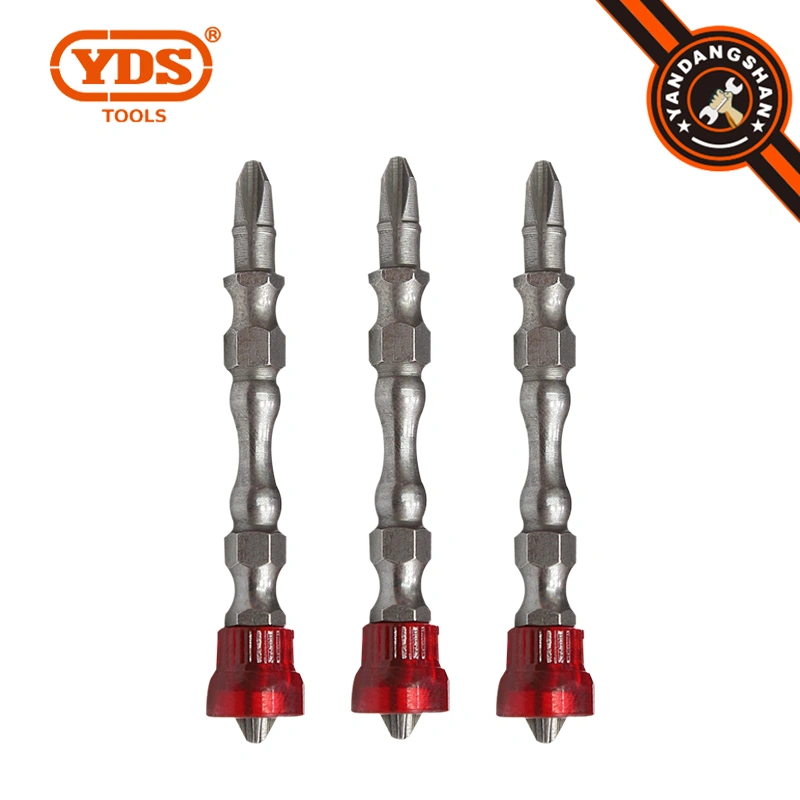
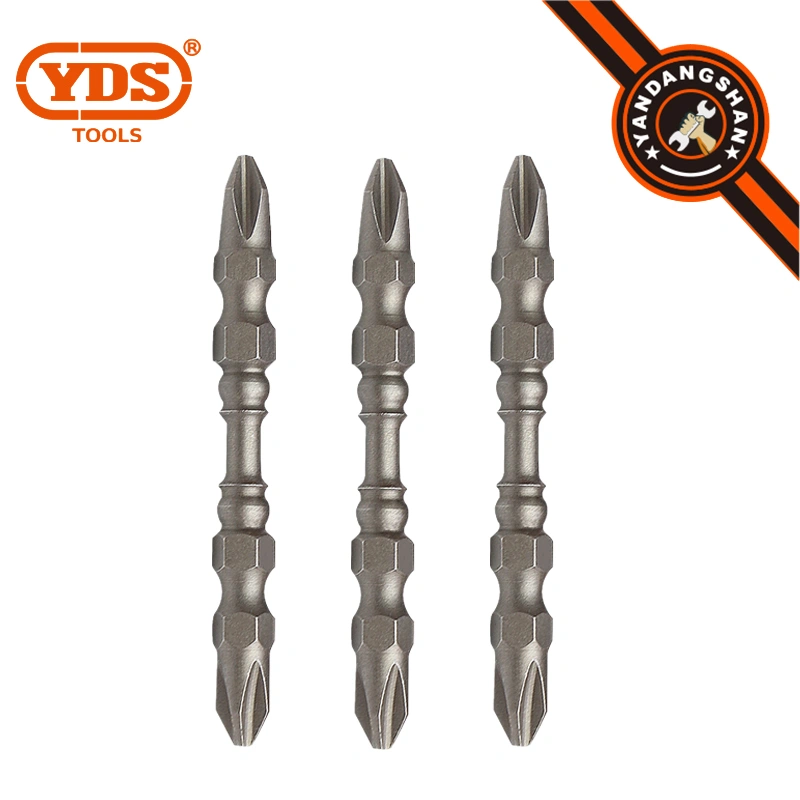
3. Screwdriver Bits
Screwdriver bits transfer rotational force to compatible screw heads. Different drive profiles, tip sizes, lengths, and material specifications suit different fastening requirements.
Common drive profiles can include Phillips, Pozidriv, slotted, hex, and Torx, depending on the products available. The bit should fit the fastener accurately to reduce slipping, damage, and premature wear.
Key selection factors:
- Drive profile: Match the bit to the screw head.
- Tip size: Use the correct size for secure engagement.
- Bit length: Consider access clearance and working depth.
- Material and construction: Check the specified material and design for the intended fastening duty.
- Holder compatibility: Confirm that the bit fits the driver, holder, or drill-driver interface.
Typical applications: furniture assembly, installation, equipment maintenance, workshop fastening, and construction.
Explore: 드라이버 비트
4. Hole Saws & Router Bits
Hole saws and router bits are designed for different material-removal operations. Hole saws create circular openings in compatible materials, while router bits shape edges, grooves, profiles, and recesses when used with suitable routing equipment.
The correct accessory depends on the workpiece, required diameter or profile, cutting geometry, shank or mounting interface, and equipment specifications.
Key selection factors:
- Operation: Distinguish circular hole cutting from edge or profile shaping.
- Material: Confirm compatibility with the workpiece.
- Dimensions: Match the required opening or profile to the accessory.
- Mounting interface: Check the shank, arbor, holder, or other specified connection.
- Operating limits: Confirm equipment compatibility and the manufacturer's permitted use.
Typical applications: installation openings, woodworking, cabinetry, workshop fabrication, and selected construction tasks.
Explore: Hole Saws & Router Bits
5. Grinding Wheels & Wire Brushes
Grinding wheels and wire brushes support different surface-processing tasks. Grinding wheels can be used for suitable material removal, edge preparation, and finishing. Wire brushes are used to remove rust, scale, loose coatings, and surface contamination from compatible materials.
Grinding accessories should be selected according to the workpiece, intended operation, mounting interface, dimensions, and rated speed. Wire brushes require attention to brush type, diameter, wire configuration, and the surface being cleaned.
Key selection factors:
- Intended operation: Distinguish grinding, deburring, finishing, and surface cleaning.
- Working material: Choose an accessory suitable for the workpiece.
- Dimensions and mounting: Verify the interface and size.
- Rated speed: Ensure rotating accessories are suitable for the tool's operating speed.
- Surface requirements: Consider material removal, cleaning needs, and the required finish.
Typical applications: metalworking, surface preparation, rust removal, deburring, workshop maintenance, and finishing.
Explore: Grinding Wheels & Wire Brushes
How to Choose the Right Tool Accessory
| Accessory category | Main function | Primary selection factors | Critical compatibility checks |
|---|---|---|---|
| 드릴 비트 시리즈 | Drilling holes | Workpiece, diameter, length, bit design | Shank, chuck or holder, drilling method |
| 톱날 시리즈 | Cutting materials | Material, blade dimensions, tooth configuration | Equipment type, mounting, permitted material |
| 드라이버 비트 | Driving compatible fasteners | Drive profile, tip size, length, construction | Screw head, bit holder, driver interface |
| Hole Saws & Router Bits | Circular hole cutting or profile shaping | Diameter, cutting geometry, workpiece | Tool type, shank or arbor, operating limits |
| Grinding Wheels & Wire Brushes | Grinding, cleaning, and surface preparation | Working surface, dimensions, material, finish | Mounting system, rated speed, intended operation |
Materials, Product Construction, and Purchasing Considerations
Professional tools are built from different materials and structural designs because each working task creates different mechanical demands. The appropriate construction depends on the forces applied, the material being processed, the frequency of use, and the conditions in which the tool will operate.
For hand tools, buyers may need to evaluate the working material, hardness and toughness requirements, joint construction, surface finish, handle design, and grip. For power tools and machinery, the motor or drive system, housing, cooling arrangement, moving components, guarding, and maintenance access can be important considerations. For attachments, the working edge, abrasive or cutting surface, shank or mounting interface, and dimensional consistency directly affect compatibility and performance.
Measuring tools require a different assessment. Tape markings should be readable, the blade should retract and extend as intended, level vials should be protected from damage, and square rules should maintain a suitable working geometry. For every category, material names alone do not establish product quality. Buyers should also review the construction, manufacturing consistency, inspection criteria, and product-specific test information available from the supplier.
When evaluating a wholesale order, confirm the exact model, dimensions, materials, included accessories, packaging format, labeling requirements, and any applicable compliance documentation before placing the order. Do not assume that every product in a category shares the same material specification or performance rating.
Applications Across Construction, Installation, and Maintenance
YDS Tools' product categories support different stages of practical work. Power tools can assist with powered material processing; hand tools are used for adjustment, fastening, gripping, and repair; attachments provide the working interface for a particular operation; measuring tools support layout and alignment; and construction machinery serves more demanding site tasks.
A construction distributor may need power tools, masonry accessories, measuring tools, and selected site equipment. An electrical installation supplier may prioritize wire-handling hand tools, layout tools, and compatible drilling or cutting accessories. A workshop or maintenance buyer may focus on fastening tools, cutting tools, grinding accessories, and equipment suited to the materials being serviced.
For mixed-category purchasing, define the target customer and the jobs they perform. Then build an assortment around task coverage, compatibility, replacement demand, and price positioning rather than ordering unrelated tools simply to increase the number of SKUs.
Wholesale Supply and OEM/ODM Cooperation
YDS Tools works with buyers looking to source tools for wholesale distribution, retail assortment development, and business procurement. Depending on the product and project requirements, buyers can discuss product selection, assortment planning, branding, packaging, and other OEM/ODM requirements with the sales team.
To help us assess your request, provide the target market, intended applications, preferred product categories, estimated order quantity, required specifications, packaging preferences, and any labeling or documentation requirements. Product availability, customization scope, lead time, and order conditions should be confirmed for the selected models.
Explore About YDS Tools to learn more about the company, or contact our team to discuss a wholesale inquiry.
Frequently Asked Questions
What types of tools does YDS Tools supply?
The website groups products into Professional Power Tools, Professional Hand Tools, Professional Attachments, Professional Measuring Tools, and Construction Machinery. Available models and subcategories are shown on their respective category pages.
How do I choose between a power tool and a hand tool?
Choose a power tool when the operation calls for powered drilling, cutting, grinding, or similar work. Choose a hand tool for manual fastening, gripping, adjustment, stripping, or repair. The right option depends on the task, material, access, workload, and required level of control.
How can I check whether an attachment fits my tool?
Confirm the attachment type, dimensions, mounting or shank interface, material suitability, and rated operating limits. Compare these details with the specific tool model before use or bulk purchasing.
Can I source several tool categories in one order?
You can contact YDS Tools with a mixed-category sourcing request. Share the product list, model requirements, target quantities, destination market, and packaging needs so the team can confirm availability and order conditions.
Does YDS Tools offer OEM/ODM services?
OEM/ODM requirements can be discussed with the sales team. Provide your branding, packaging, product specification, and order-volume requirements so the feasibility can be reviewed for the selected products.
What should I confirm before placing a wholesale order?
Confirm the model number, specifications, quantity, packaging, labeling, included accessories, delivery requirements, and any required documentation. For products with compatibility or operating limits, verify the exact technical information for each model.