Machinist Hammer
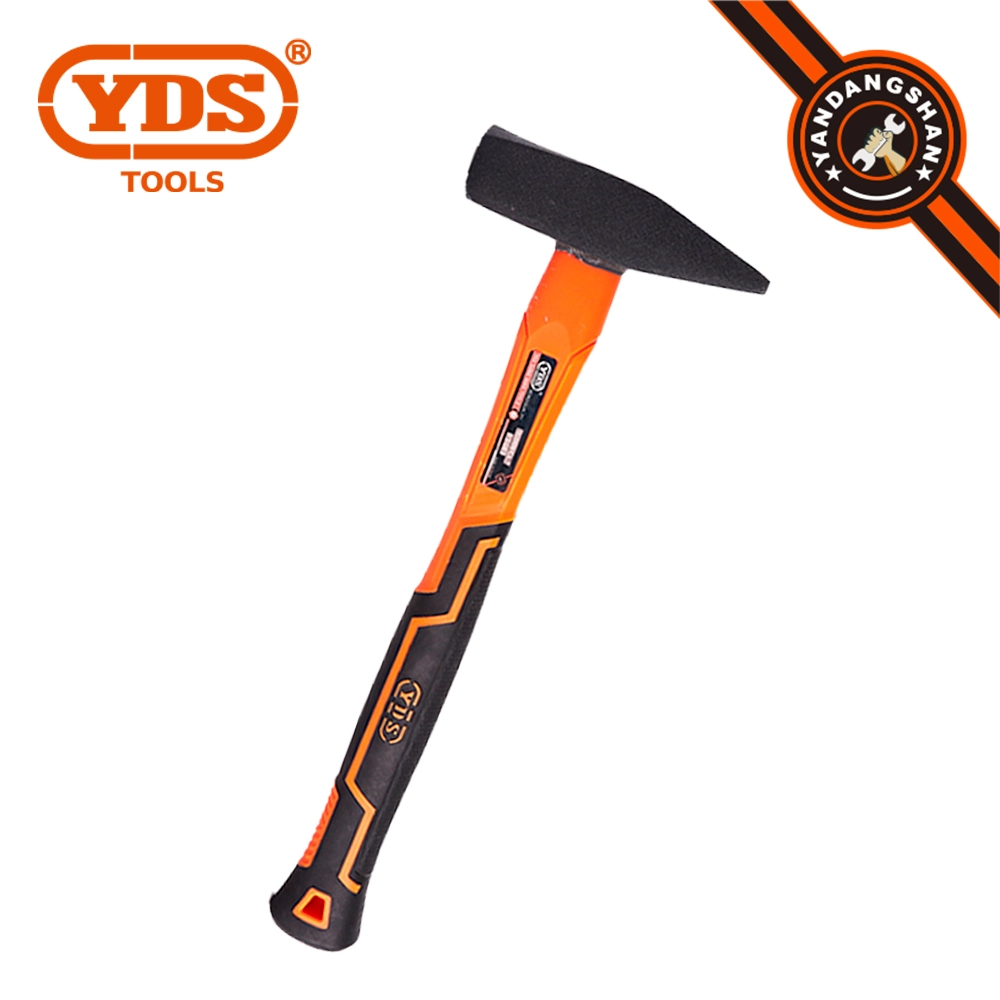
Uses of a Machinist Hammer
1. Precision Striking
Used in striking metal parts without causing damage, thus providing accuracy in assembling and aligning delicate machinery.
2. Fitting and Adjusting Parts
Gently tapping parts into place during fitting or assembling processes without marring the surface.
3. Removing Dents and Bends
Straightening or removing dents from metal surfaces or parts, commonly used in automotive or machinery repair.
4. Shaping Metal
Can be used in machining, blacksmithing, or crafting projects to shape or refine metal parts.
5. Working with Other Precision Tools
Great for use with chisels, punches, or other precision tools when delicate force is required.
Advantages of a Machinist Hammer
1. Precision and Control
The hammer's head is designed for accurate strikes, providing control to avoid damaging delicate parts or surfaces.
2. Durability
Constructed with high-quality steel or alloy for a durable, long-lasting tool that withstands repeated use in tough environments.
3. Ergonomic Handle
Typically has a comfortable, shock-absorbing handle to reduce vibration and improve grip, reducing user fatigue during extended use.
4. Smooth Face
Flat, smooth face that doesn't leave any marks or indentations on the metal surface; thus, it guarantees clean, precise work.
5. Versatility
It finds its application in metalwork, car repairs, putting machines together, and so on. It is indispensable in a lot of professional processes.
6. Lightweight and Balanced
The hammer is lightweight and balanced to permit long, tireless work without straining hand or wrist, especially for fine-tuned operations.
7. Safety
Designed not to cause accidental damage or hurt sensitive workpieces, this makes it a lot safer in delicate applications, unlike other kinds of hammers.