Construction Machinery for Site Work and Engineering Applications
YDS Tools offers construction machinery and equipment for buyers serving construction projects, engineering contractors, maintenance businesses, equipment distributors, and hardware supply channels. The category includes selected equipment such as core drilling machines, demolition hammers, air compressors, blowers, and related site-support products, subject to the current product listings.
Construction machinery should be selected according to the actual operation, site conditions, required working capacity, power supply, portability, and maintenance needs. A tool designed for drilling, for example, has different requirements from equipment intended for demolition or air supply. Matching the machine to the task helps buyers avoid unsuitable specifications and build a more useful equipment assortment.
Explore the full tools products catalog to compare machinery with power tools, hand tools, attachments, and measuring tools.
-

Tambour de câble
-

Machine à réservoir
-

Moteur diesel
-

Vibrateur de béton portable
-

Enrouleur de rallonge robuste (fil de cuivre sans oxygène 100%)
-
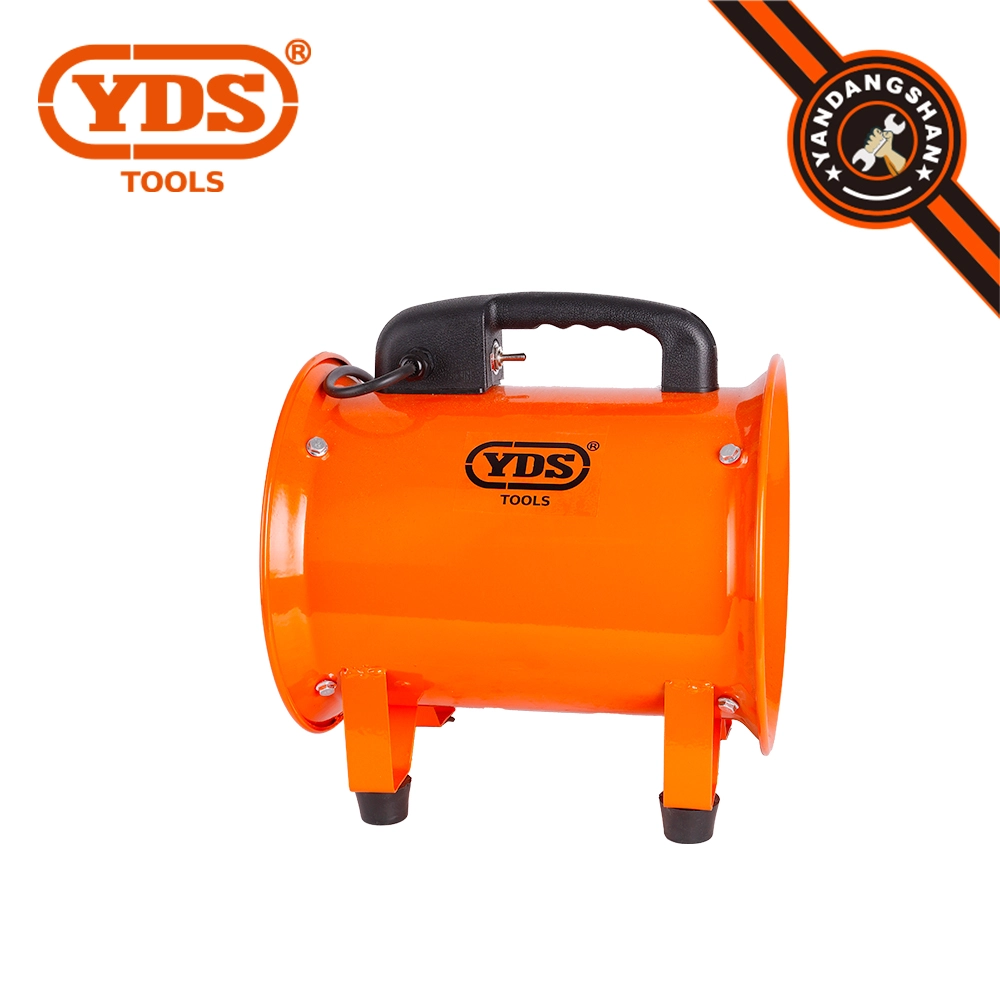
Soufflerie
-

Compresseur d'huile
Construction Equipment and Equipment Types
Core Drilling Equipment
Core drilling equipment is used to create circular openings in suitable materials and applications. The appropriate equipment depends on the substrate, required hole diameter and depth, drilling orientation, site access, and the intended method of operation.
Before selecting a model, confirm the stated drilling capacity, compatible core bit interface, power requirements, water or dust management arrangements where applicable, mounting or support method, and operating instructions. Product suitability must be checked against the actual material and site conditions.
Demolition Hammers
Demolition hammers support breaking and removal work in suitable concrete, masonry, and other specified materials. Selection depends on the type and scale of the demolition task, working position, tool weight, impact mechanism, accessory interface, and expected workload.
For buyers, it is important to distinguish between equipment designed for light removal work and equipment intended for more demanding demolition tasks. Confirm the manufacturer's rated capacity, compatible chisels or accessories, handling requirements, and maintenance guidance for the exact model.
Air Compressors
Air compressors provide compressed air for compatible pneumatic tools or other specified uses. The required compressor depends on the connected equipment's air demand, working pressure, duty cycle, tank or storage arrangement where relevant, and the number of tools expected to operate.
Buyers should compare rated output and pressure information, power supply, portability, noise considerations, maintenance access, and any operating restrictions. A compressor's suitability should be based on the demand of the connected equipment, not solely on its physical size.
Blowers and Site-Support Equipment
Blowers and related site-support equipment can be used for suitable air-moving, cleaning, or maintenance tasks depending on the model. Buyers should verify the intended application, airflow or output information where specified, power source, handling, operating environment, and maintenance requirements.
When sourcing equipment for a mixed construction assortment, organize products by job function and technical requirements so customers can identify the equipment that matches their task.
Materials and Product Construction of Construction Machinery
Construction equipment combines structural components, drive systems, working mechanisms, controls, and serviceable parts. The right design depends on the load, working environment, mobility requirements, and type of operation. Buyers should assess the whole machine rather than focusing on a single specification.
Frame, Housing, and Structural Stability
Frames and housings support the machine's components and help maintain the intended arrangement during operation. Depending on the equipment, structural parts may use specified metal sections, cast or formed components, engineered housings, or a combination of materials.
Inspect visible structural components, mounting points, handles, wheels or support features where fitted, and protective covers. For equipment used on a construction site, consider how it will be transported, positioned, secured, and stored between jobs. Do not assume that similar-looking machines have equivalent load capacity or durability.
Motor, Drive, and Working Mechanism
The drive system supplies the movement or energy required for the operation. Core drilling machines, demolition hammers, compressors, and blowers use different working mechanisms and should be assessed according to their individual functions.
For drilling equipment, confirm the machine's rated drilling range and the interface for compatible bits or core accessories. For demolition hammers, review the intended working task, compatible chisels, and stated operating capacity. For compressors, compare the specified pressure and output with the requirements of the connected pneumatic equipment.
Cooling, Ventilation, and Service Access
Machines used for demanding site work may require ventilation, cooling, lubrication, cleaning, or other routine maintenance according to the model. Dust, debris, poor ventilation, unsuitable accessories, and operating outside the manufacturer's recommendations can affect service life and reliability.
Buyers should review the maintenance schedule, cleaning instructions, consumable requirements, and access to serviceable parts. For fleet or rental use, ease of inspection and maintenance can be an important procurement consideration.
Electrical Components and Power Requirements
Electrical equipment must match the intended power supply and operating conditions. Confirm the rated voltage, frequency where applicable, plug or connection type, power consumption, protection features, and any requirements for site power or extension arrangements.
Where water, dust, or other challenging site conditions are involved, follow the model-specific operating instructions and applicable safety requirements. Never infer a machine's electrical protection rating from its appearance or from the specifications of a different model.
Accessories, Guards, and Operational Controls
Core bits, chisels, hoses, connectors, and other accessories must match the machine and the intended operation. Check the dimensions, interface, operating limits, and any required protective equipment. Controls should be understandable to the intended operator, and guards or protective features should remain in place as instructed.
For wholesale procurement, verify which accessories are included in the standard package and which must be ordered separately. Clear product listings and packing lists help prevent mismatches between the machine and the accessories required to operate it.
Inspection and Procurement Checklist
Before placing an order, confirm the exact model, intended application, rated capacity, dimensions, power requirements, compatible accessories, included components, packaging, maintenance documentation, and applicable compliance information.
For equipment used on demanding sites, also consider transport, storage, service access, consumable replacement, and the availability of technical information for the destination market. Specifications should always be verified for the individual machine.
How to Choose the Right Construction Machinery
Machinery selection should begin with the work to be done and the conditions at the site. The following table can help buyers identify the information needed before comparing models.
| Site requirement | Equipment type to consider | Key selection criteria |
|---|---|---|
| Creating circular openings in suitable materials | Core drilling machine | Material, hole diameter and depth, mounting method, power supply, and compatible core bit |
| Breaking or removing suitable concrete or masonry | Demolition hammer | Task scale, material, working position, accessory interface, handling, and rated capacity |
| Supplying compressed air to compatible equipment | Air compressor | Required pressure, air demand, duty cycle, power source, portability, and maintenance |
| Moving air or performing specified site-support tasks | Blower or related equipment | Intended application, rated output, power source, handling, and operating environment |
| Repeated work across multiple sites | Portable equipment suited to the task | Weight, transport method, setup time, power availability, and maintenance access |
| Purchasing machinery for distribution | Application-based equipment assortment | Target customer, specifications, included accessories, packaging, documentation, and replacement needs |
A Step-by-Step Equipment Selection Process
- Define the site task. Specify whether the job requires core drilling, demolition, compressed air, air movement, or another operation.
- Identify the material and working dimensions. Record the substrate, required hole size or depth, demolition scope, or air demand.
- Confirm capacity and operating limits. Compare the requirements with the exact model's rated specifications.
- Check power and site conditions. Verify power supply, portability, mounting, environmental conditions, and any special operating requirements.
- Review accessories and maintenance. Confirm compatible working components, included parts, consumables, service instructions, and maintenance access.
- Plan logistics and procurement. Consider product dimensions, packaging, transport, destination-market documentation, order quantities, and after-sales requirements.
For lighter portable drilling, cutting, or grinding operations, explore power tools category. For compatible cutting and drilling components, visit power tool accessories.
Applications of Construction Machinery
Building Construction and Renovation
Construction sites may require drilling, demolition, air supply, and other support operations at different stages of the project. Equipment selection should reflect the material, working dimensions, site access, available power, and the sequence of work.
Concrete and Masonry Work
Core drilling machines and demolition hammers serve different purposes in suitable concrete and masonry applications. Core drilling focuses on creating openings, while demolition equipment is used for breaking or removing material. Select the machine and accessory according to the specific operation and rated limits.
Mechanical Installation and Building Services
Installation work may require openings for services, preparation of mounting points, and compatible pneumatic or powered equipment. Buyers should consider the working location, required precision, access restrictions, dust or water management, and the coordination of equipment with other trades.
Workshop and Equipment Maintenance
Compressors and selected site-support equipment may be used in workshops or maintenance environments when their specifications match the intended task. Review output requirements, operating conditions, power supply, and maintenance needs before selecting equipment for a fixed workstation or mobile service setup.
Contractors, Rental Businesses, and Equipment Distributors
Contractors may prioritize task-specific capacity and transportability, while rental businesses may pay closer attention to maintenance access, durability under varied use, documentation, and consumable replacement. Distributors should organize equipment by application and specification so buyers can compare suitable models without relying on vague labels such as "heavy duty."
Wholesale Construction Equipment and OEM/ODM Inquiries
YDS Tools welcomes inquiries from construction equipment distributors, importers, contractors, and project buyers. To help review your needs, share the intended operation, material, required capacity, site conditions, preferred model, order quantity, destination market, power requirements, and packaging or documentation needs.
Availability, rated specifications, included accessories, customization options, lead time, and commercial terms should be confirmed for the exact machine.
Frequently Asked Questions
How do I choose a core drilling machine?
Start with the material and the required hole diameter and depth. Then confirm the machine's rated capacity, compatible core bit interface, power requirements, mounting arrangement, and any water or dust management requirements specified for the model.
What should I compare when buying a demolition hammer?
Review the intended material and task, rated capacity, working position, tool weight, compatible chisels, power supply, maintenance instructions, and the manufacturer's operating limits.
How do I select an air compressor for construction use?
Determine the pressure and air demand required by the connected equipment, then check the compressor's rated output, duty cycle, power supply, portability, and maintenance needs. Confirm that the compressor can support the intended equipment under the specified operating conditions.
Are accessories included with construction machinery?
Included accessories vary by model and package. Check the individual product listing and confirm the packing list before ordering, particularly for core bits, chisels, hoses, connectors, and other working components.
What should a distributor confirm before importing construction machinery?
Confirm model specifications, power requirements, included components, packaging dimensions, labeling, destination-market documentation, maintenance information, order quantity, and shipping requirements. Technical and commercial details should be checked for each machine.
Can I source construction machinery alongside power tools and accessories?
You can submit a mixed-category inquiry to YDS Tools. Provide the required machinery and related tool or accessory list, quantities, applications, and destination market so the team can review product availability and compatibility requirements.