
Wholesale Measuring Tools for Accurate Layout and Installation
YDS Tools offers practical measuring and layout tools for construction, woodworking, renovation, installation, and workshop tasks. Measuring tapes, box levels, and square rules help users establish dimensions, check alignment, mark workpieces, and prepare components before cutting, drilling, fastening, or assembly.
For distributors and professional tool buyers, selecting the right measuring tool means looking beyond the product name. Measuring range, readability, working geometry, handling, durability, and the conditions of use all affect whether a tool is suitable for a particular job.
Visit the tools catalog to compare measuring tools with other professional tool categories.
Types of Professional Measuring and Layout Tools
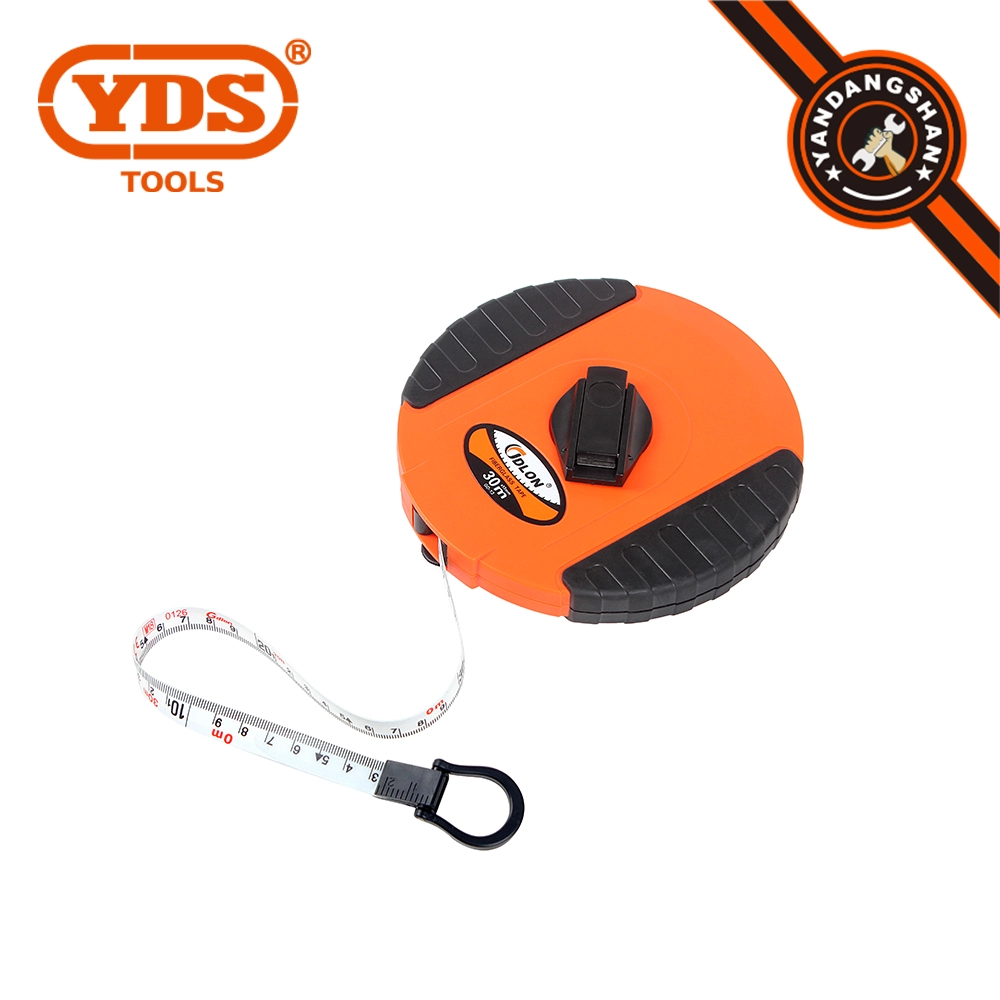
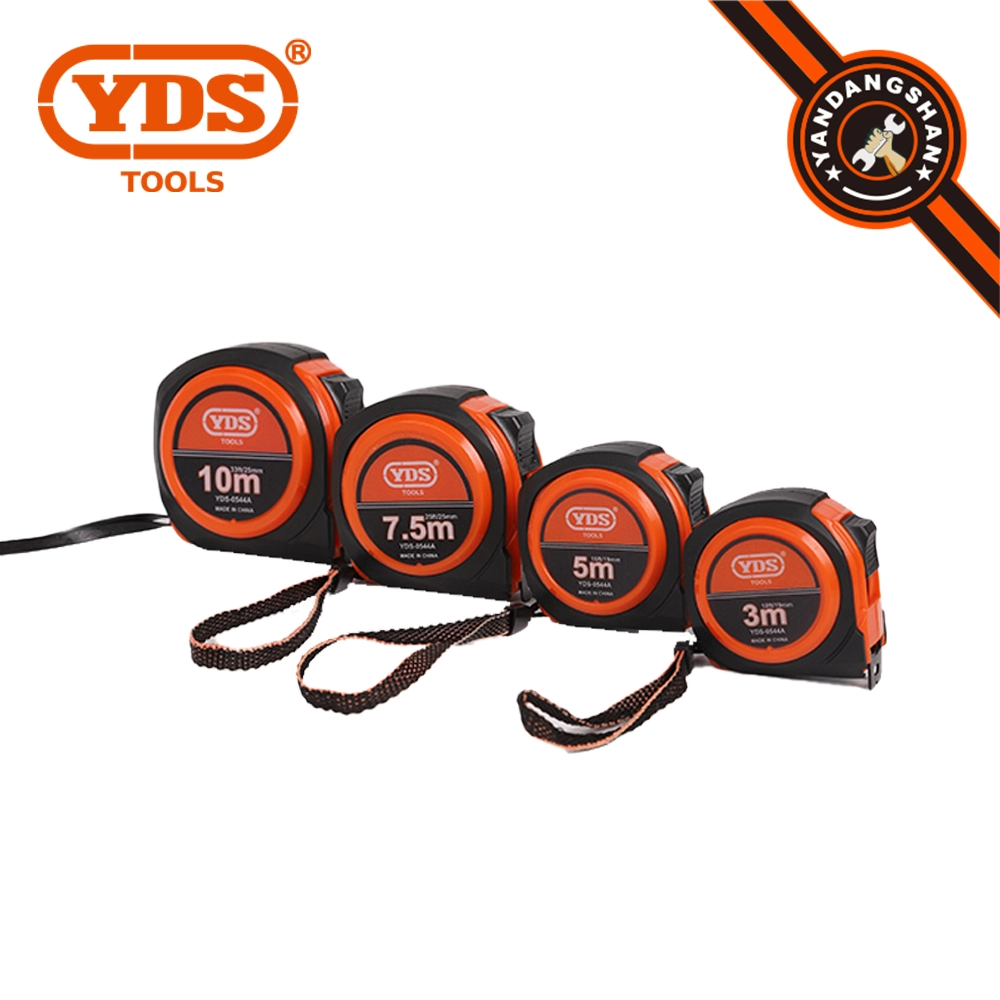
Measuring Tapes
A measuring tape is used to measure distances, dimensions, and lengths across construction, installation, woodworking, and general maintenance tasks. Buyers should consider the required measuring range, scale units, marking readability, blade width, case design, locking mechanism, and retraction behavior.
For professional users, the tape should be easy to read in the working environment and convenient to carry and extend. The right choice depends on the dimensions being measured, the amount of repeated use, and whether the user often works alone or needs to measure across longer spans.
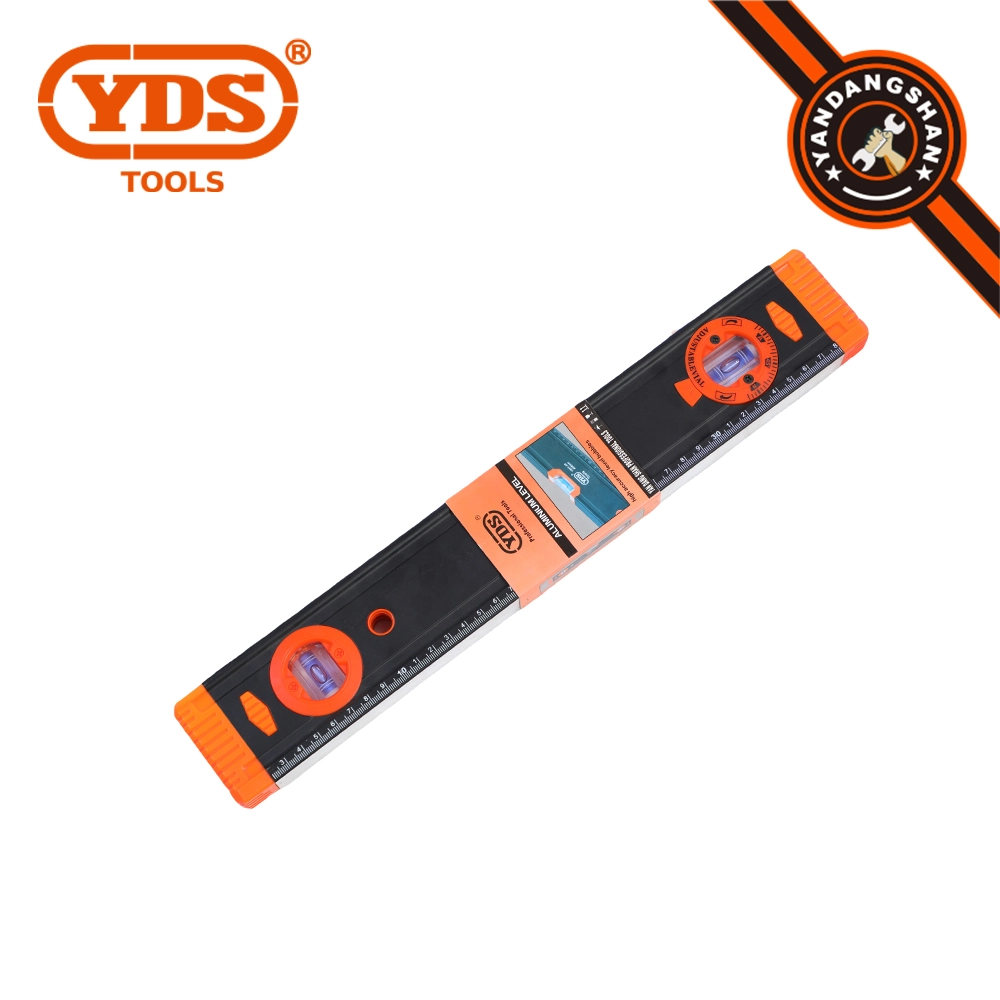
Box Levels with Rubber Hand Grips
A box level helps users check whether a surface is level or plumb. The box-section body provides a working reference surface, while the vial arrangement and visibility affect how easily the user can read the instrument. Rubber hand grips, where provided, can improve handling and make the tool easier to position.
When choosing a box level, consider its length, body rigidity, vial visibility, working-surface condition, grip placement, and the surfaces on which it will be used. A longer level may be useful for checking a broader span, while a shorter model can be easier to position in restricted areas. The correct length depends on the application rather than a universal rule.
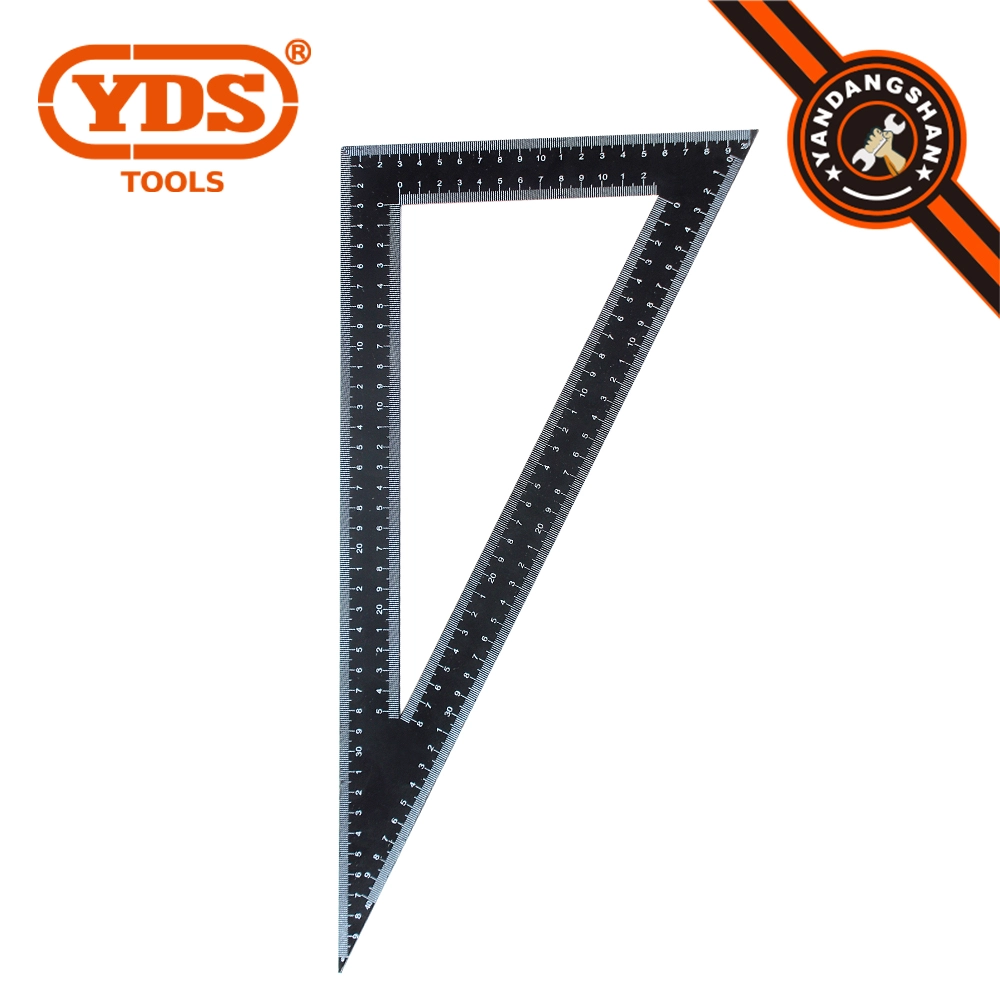
Square Rules
Square rules are used to mark or check right angles, support layout work, and help establish consistent reference lines. They are useful in woodworking, construction, fitting, and fabrication where perpendicular alignment matters.
Check the blade and stock geometry, edge condition, readability of markings, rigidity, and overall dimensions. A square rule should sit properly against the reference edge and be easy to align with the workpiece. For precision-dependent applications, buyers should confirm the model's stated accuracy or inspection information rather than assuming a tolerance based on appearance.
Materials and Product Construction of Professional Measuring Tools
Measuring tools must combine practical handling with stable geometry and readable reference marks. The construction requirements differ from those of cutting or fastening tools because measurement errors can lead to incorrect marking, misaligned installation, and rework.
Measuring Tape Blade, Case, and Retraction System
A measuring tape commonly combines a graduated flexible blade with a housing and a mechanism for extending, locking, and retracting the blade. The blade material, surface finish, markings, width, and shape influence readability and handling. The case protects the internal mechanism and provides a grip for carrying and positioning the tool.
For purchasing decisions, inspect the legibility and consistency of graduations, the condition of the blade edge, the hook attachment, the lock function, and the smoothness of extension and retraction. Check that the blade returns as intended and that the housing has no obvious damage. The performance of a tape measure should be assessed as a complete assembly, not from the printed scale alone.
Box Level Body and Vial Arrangement
The body of a box level provides the reference surfaces used when positioning the instrument against a workpiece. Depending on the model, the body may use a metal profile or another specified construction. The shape and rigidity of the body, the quality of the contact surfaces, and the placement and visibility of the vials all influence practical usability.
Vials should be easy to see from the intended viewing position and protected against normal handling damage. For buyers, relevant checks include body straightness, surface condition, vial security, readability, and the model's stated accuracy information where available. A visually clear vial does not by itself confirm measurement accuracy.
Square Rule Geometry and Markings
A square rule relies on the relationship between its reference edges and the right-angle geometry used for marking or checking. Its construction should allow it to sit firmly against the workpiece without rocking or slipping because of damaged edges or an unsuitable contact surface.
Markings should be readable and consistent with the intended measurement system. Buyers should inspect the edge finish, alignment, rigidity, and dimensional consistency. For work where squareness is critical, request the manufacturer's stated tolerance or inspection criteria for the exact model.
Handles, Grips, and Surface Protection
Grips and case features affect how a tool is carried, held, and positioned. Rubberized or molded grips may improve handling where provided, while protective case designs can help reduce damage during transport and storage.
Measuring tools are frequently moved between job locations and stored with other equipment. Packaging should help protect the blade, body, reference edges, and vials from impact or deformation. Buyers sourcing in volume should consider both product construction and the way items are packed, displayed, and stored.
Inspection Points for Wholesale Buyers
Before bulk purchasing, review:
- Marking readability and consistency.
- Blade, body, and reference-edge condition.
- Locking or adjustment functions where applicable.
- Vial visibility, security, and stated accuracy information for levels.
- Geometry and edge condition for square rules.
- Model-specific dimensions, materials, packaging, and documentation.
Where accuracy is a critical buying requirement, request the relevant product specification or inspection information. Avoid assigning an accuracy tolerance to the entire category unless the manufacturer confirms it for the exact model.
How to Choose the Right Measuring Tool
Choose according to the measurement or layout task. A measuring tape, box level, and square rule serve different purposes and should not be treated as interchangeable.
| Measuring task | Tool to consider | Key selection criteria |
|---|---|---|
| Measuring length, height, width, or distance | Measuring tape | Required range, scale units, blade readability, width, lock, and retraction |
| Checking whether a surface is level | Box level | Tool length, vial visibility, body rigidity, contact surfaces, and stated accuracy |
| Checking vertical alignment or plumb | Box level with suitable vial arrangement | Vial layout, working position, body length, and viewing access |
| Marking or checking a right angle | Square rule | Blade and stock geometry, edge condition, dimensions, markings, and accuracy requirements |
| Measuring in a confined space | Compact measuring tape or suitable short tool | Working clearance, readability, ease of positioning, and required range |
| Repeated layout across large workpieces | Longer measuring or reference tool suited to the task | Measurement span, handling, stable contact, and repeatability |
A Practical Selection Method
- Define what must be measured. Length, distance, level, plumb, and right-angle layout require different tools.
- Estimate the working range. Choose a measuring range and tool length that fit the workpiece and working environment.
- Consider readability. Marking contrast, scale units, viewing position, and lighting can affect how easily the result can be read.
- Evaluate the reference surface. Levels and square rules rely on stable contact and suitable geometry.
- Consider portability and durability. Tools carried around a jobsite may need a different case or grip design from tools kept at a fixed workstation.
- Confirm accuracy requirements. Where the job has a defined tolerance, check the exact model's specification rather than relying on category-level claims.
For cutting, gripping, or cable preparation after layout, explore hand tools. For powered drilling and cutting, see wholesale power tools.
Applications of Professional Measuring Tools
Construction Layout and Site Installation
Measuring tapes help establish dimensions for openings, framing, material placement, and general site layout. Box levels support level and plumb checks during suitable installation tasks, while square rules help establish perpendicular references. The tool selected should match the size of the work area, the required reading, and the working position.
Woodworking, Joinery, and Cabinet Installation
Woodworkers use measuring tapes to check board and component dimensions and square rules to mark or verify right angles. Levels can help check alignment during installation. Consistent reference points and readable markings are especially important when repeated measurements affect how components fit together.
Interior Renovation and Fixture Installation
Installing shelves, cabinets, partitions, frames, and other fixtures often involves measuring distances, checking level, and verifying square alignment. Buyers supplying this market should consider portability, ease of reading, and tool sizes suited to both confined rooms and larger installation areas.
Metalworking and Workshop Layout
Workshop tasks may require measuring stock, marking cut lines, and checking the alignment of components before fabrication or assembly. The choice of measuring tool depends on workpiece dimensions, required geometry, and any tolerance specified by the process. Where high precision is required, confirm that the selected instrument is suitable for that tolerance.
Electrical and Mechanical Installation
Measuring tools support positioning, spacing, and layout before drilling, mounting, routing, or assembling components. They help establish reference dimensions but do not replace specialized testing or calibration equipment where the application requires it.
Wholesale and Retail Assortment Planning
A measuring tools assortment can be organized around common user tasks: general distance measurement, level and plumb checks, and right-angle marking. Distributors should consider measuring range, tool length, visibility, packaging, product labeling, and the needs of their target customer groups.
Wholesale Measuring Tools and OEM/ODM Inquiries
YDS Tools welcomes inquiries from distributors, importers, hardware retailers, and project buyers sourcing measuring tools. Share the tool type, preferred dimensions, measuring range, required accuracy information, estimated quantities, destination market, packaging preferences, and any branding requirements.
Confirm exact model specifications and any accuracy-related documentation before placing an order for applications with defined tolerances.
Frequently Asked Questions
What are the main types of measuring tools in this category?
The current category includes measuring tapes, box levels with rubber hand grips, and square rules. Each serves a different purpose: measuring distance, checking level or plumb, or marking and checking right angles.
How do I choose the right length of box level?
Choose a length that fits the span and access conditions of the job. A longer level can provide a reference across a broader surface, while a shorter level is easier to position in tight spaces. Confirm the model's dimensions and accuracy information before ordering.
What should I check when buying a measuring tape in bulk?
Check the measuring range, units, marking readability, blade condition, hook attachment, lock, retraction function, case construction, packaging, and any model-specific accuracy information.
Can a square rule replace a measuring tape?
No. A square rule is primarily used to mark or check right angles and related layout references, while a measuring tape is designed to measure lengths and distances. They often work together during layout tasks.
How can I confirm measuring tool accuracy?
Review the manufacturer's specifications and any applicable inspection or calibration information for the exact model. If a project requires a defined tolerance, confirm that the tool is suitable for that requirement before purchasing.
Are cable cutters or cable nippers measuring tools?
Cable cutters and cable nippers are primarily used for cable handling or preparation, not measurement. If a product's main functions are cutting, stripping, or crimping, it is generally better organized under hand tools so the measuring tools category remains focused on measurement and layout.