Wholesale Power Tools for Construction, Installation, and Workshop Use
YDS Tools offers a range of professional power tools for drilling, cutting, grinding, demolition, installation, and other powered work. Designed for buyers serving construction contractors, renovation teams, workshops, maintenance businesses, and hardware distribution channels, our catalog includes tools for different materials, working conditions, and job requirements.
If you are sourcing power tools wholesale, start by matching each tool to its intended operation. Drilling into masonry, cutting a wall channel, grinding metal, and tying reinforcing bar are different tasks that require different tool designs and operating characteristics. Reviewing the application first helps you build a more practical product assortment.
Explore our full tools catalog to compare power tools with hand tools, attachments, measuring tools, and construction machinery.
-
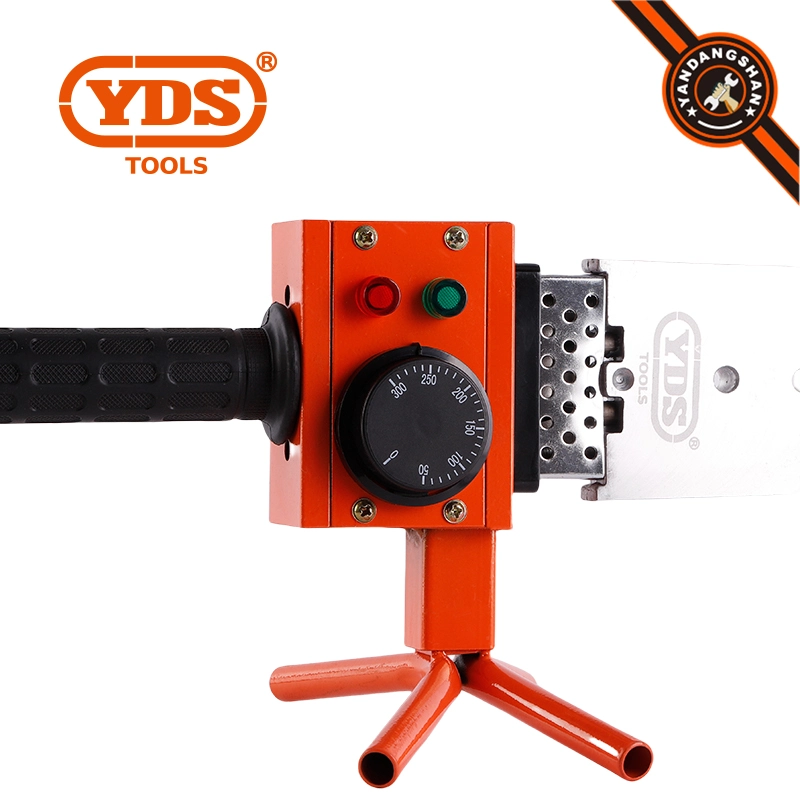
Plastic Welding Machine
-
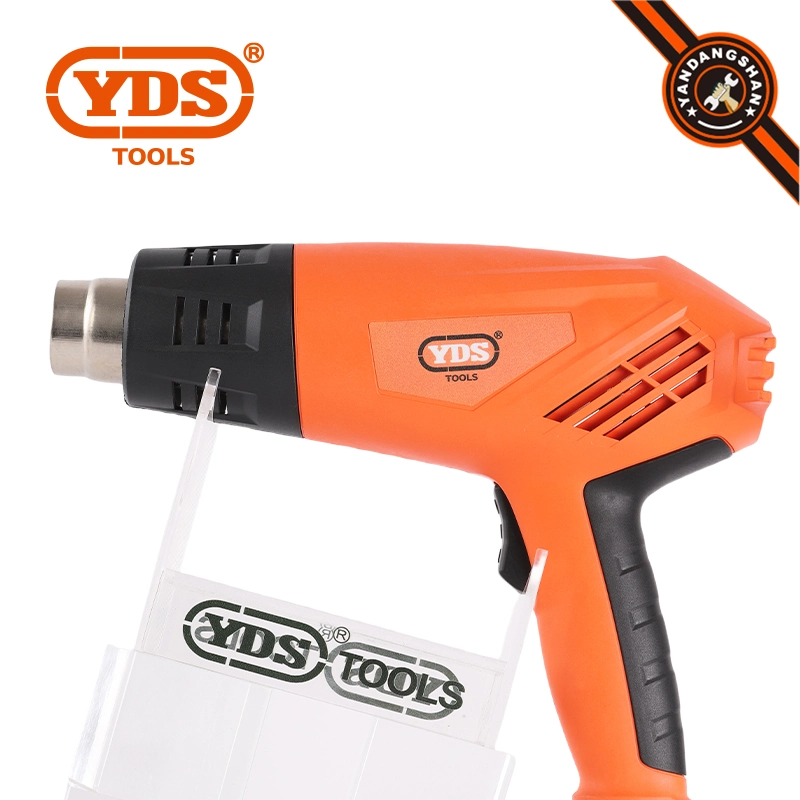
Heat Gun
-
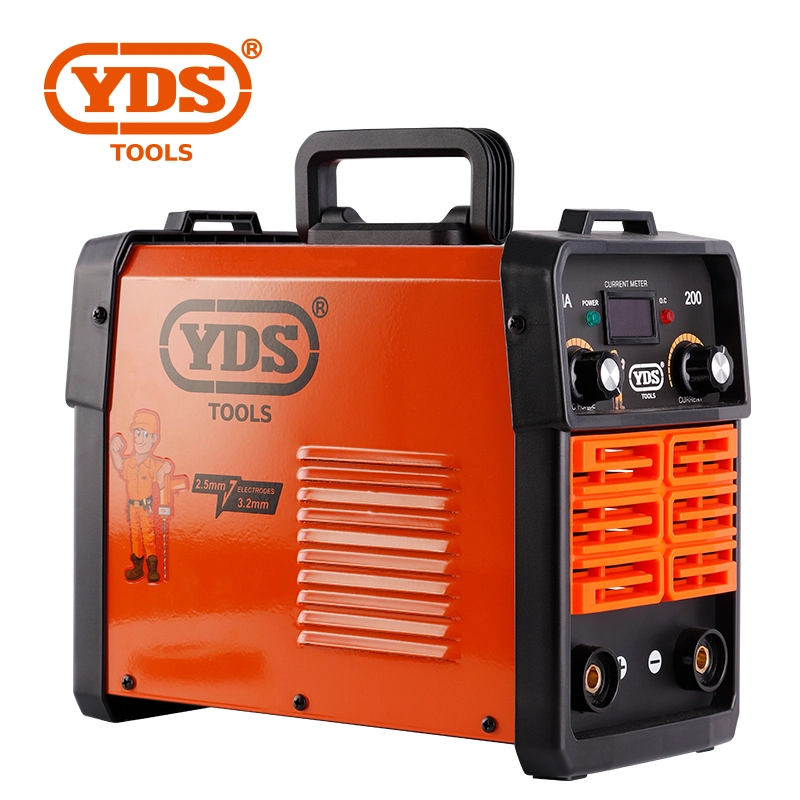
Welding Machine
-
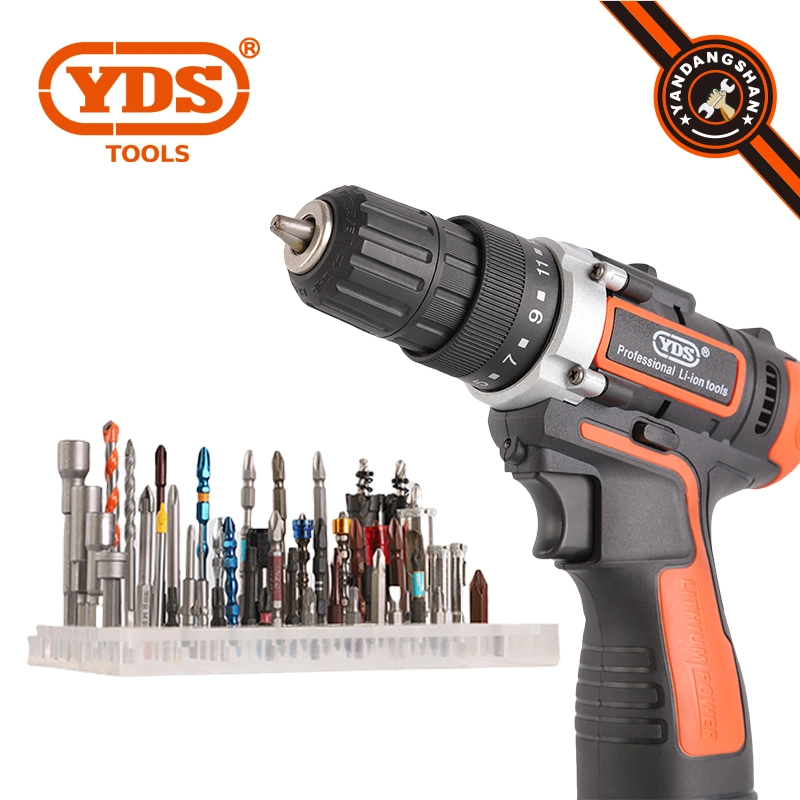
Perceuse électrique
-
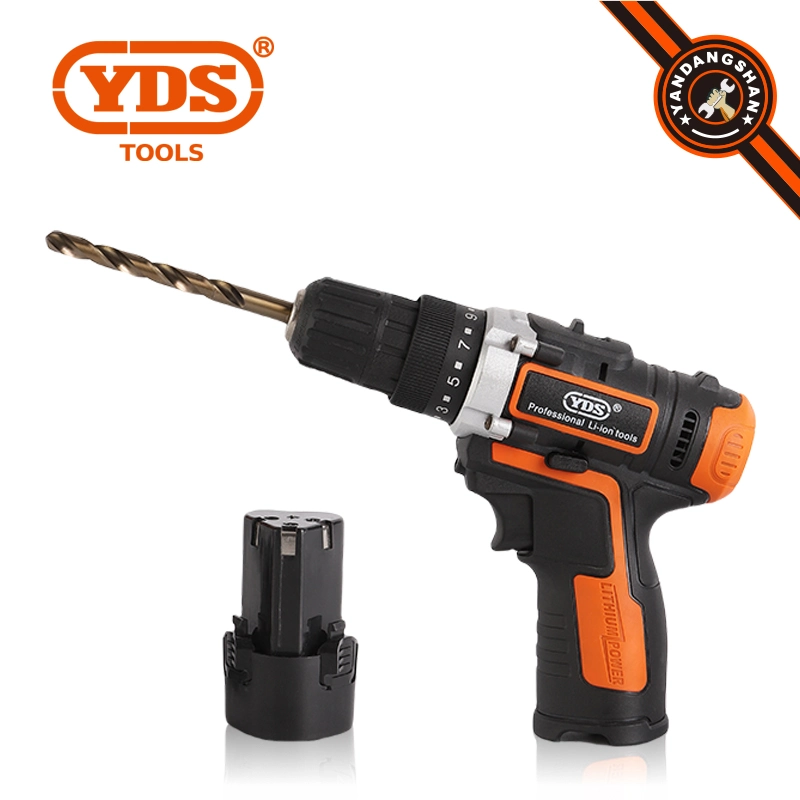
Perceuse électrique au lithium
-
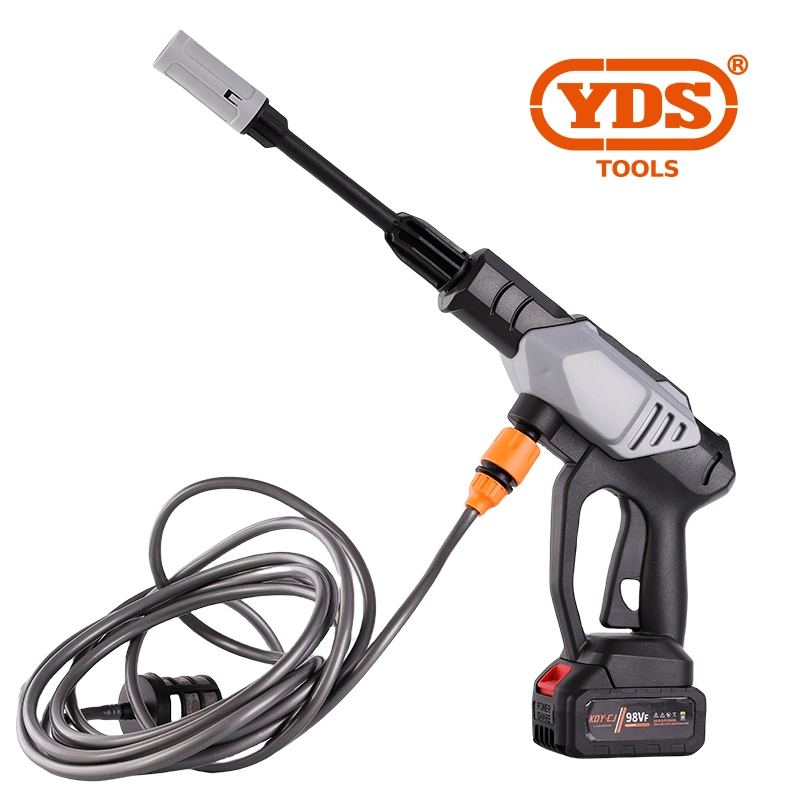
Nettoyeur haute pression à batterie lithium
-
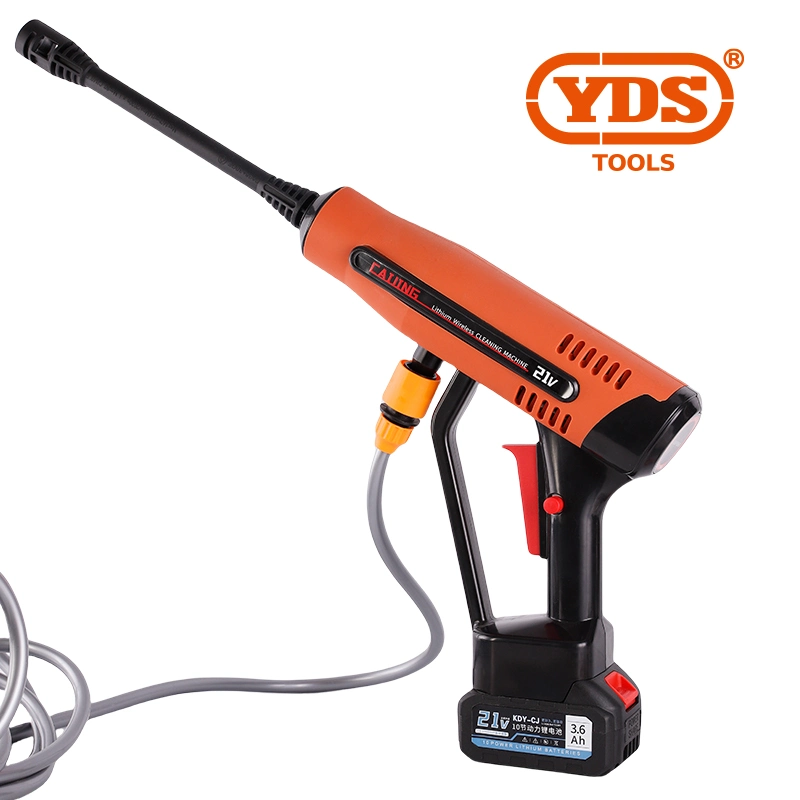
Nettoyeur haute pression à batterie lithium
-
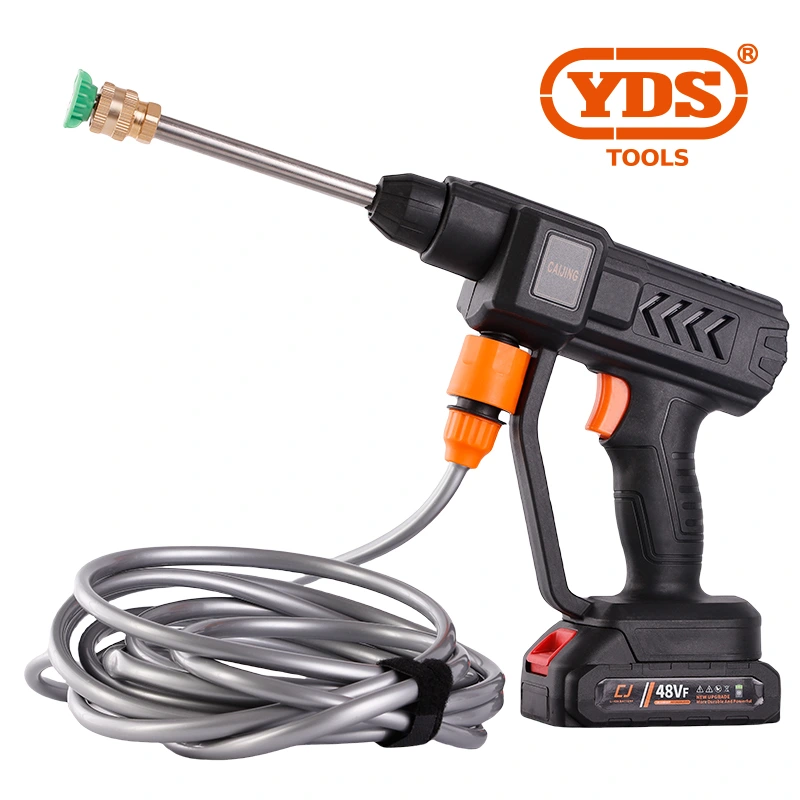
Nettoyeur haute pression à batterie lithium
-
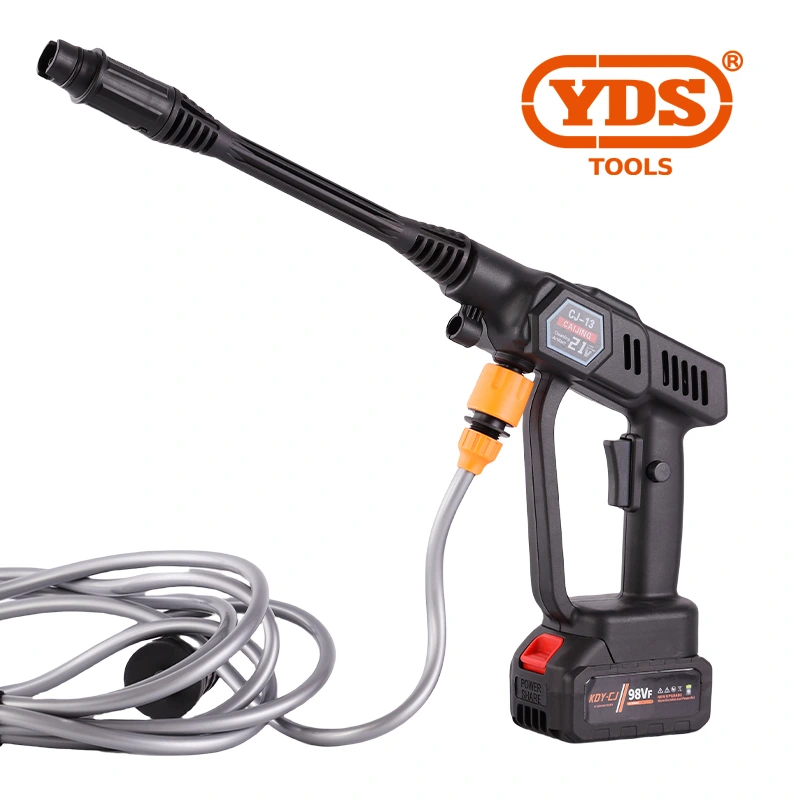
Nettoyeur haute pression à batterie lithium
Main Types of Professional Power Tools
1. Corded Drills & Hammers
Corded drills and hammers support drilling, impact-assisted drilling, chiseling, and related construction tasks, depending on the model. Corded equipment can be suitable for work where an appropriate power supply is available and the job requires sustained operation.
Important selection factors include the workpiece material, drilling diameter and depth, impact function, chuck or bit interface, rated power, and expected working frequency. The selected drill bit or chisel must also be compatible with the tool and application.
Product selection considerations:
- Drilling capacity: Match the required hole diameter and depth to the manufacturer's rated specifications.
- Impact function: Confirm whether the task requires standard rotary drilling, impact-assisted drilling, or chiseling.
- Tool interface: Check chuck type, bit shank, or other connection requirements.
- Handling and control: Consider tool weight, grip, access clearance, and working position.
- Accessory compatibility: Choose bits and chisels designed for the intended material and tool.
Typical applications: masonry drilling, construction installation, renovation, equipment maintenance, and selected demolition or chiseling work.
Explore: Corded Drills & Hammers
2. Grinders & Cutting Tools
Grinders and cutting tools are used for material removal, surface preparation, cutting, deburring, and finishing. The suitable tool and accessory depend on the workpiece, required cut or finish, dimensions, mounting interface, and operating conditions.
Grinding and cutting accessories must be selected for their intended operation. Buyers should confirm the accessory's rated speed, compatibility with the tool, required guard, and suitability for the material being processed.
Product selection considerations:
- Working material: Confirm that the tool and accessory are suitable for the material.
- Cutting or grinding capacity: Check the dimensions and working limits specified for the model.
- Accessory interface: Verify the mounting system and compatible accessory dimensions.
- Operating speed: Ensure that the accessory's rated speed is suitable for the tool.
- Safety features: Review the guard, handle, and operating instructions.
Typical applications: metal fabrication, workshop maintenance, construction cutting, surface preparation, and finishing operations.
Explore: Grinders & Cutting Tools
3. Cordless Tools
Cordless tools provide mobility for applications where access to a power outlet is limited or where frequent repositioning is required. Depending on the products available, the range may support drilling, fastening, cutting, and other portable work tasks.
Cordless equipment should be selected as part of a compatible system. Battery platform, voltage, runtime, charging arrangements, tool weight, and working capacity can all affect suitability for a particular job.
Product selection considerations:
- Battery platform: Confirm battery and charger compatibility.
- Runtime: Consider task frequency, operating duration, and battery capacity.
- Working capacity: Match the tool's rated performance to the intended application.
- Portability: Evaluate weight, grip, balance, and access to confined spaces.
- System expansion: If adding tools to an existing range, verify compatibility with the current battery system.
Typical applications: mobile maintenance, construction installation, assembly work, and jobsites with limited power access.
Explore: Cordless Tools
4. Welding & Heat Tools
Welding and heat tools serve different thermal application requirements, including metal joining, electrical soldering, and adhesive application. Welding machines, electric soldering irons, and glue guns should be treated as distinct equipment types because their output characteristics, consumables, and safety requirements differ.
Before choosing a model, identify the process and materials involved. Review rated input and output, temperature or current requirements where applicable, compatible consumables, operating environment, and the manufacturer's instructions.
Product selection considerations:
- Intended process: Distinguish welding, soldering, and adhesive application.
- Output requirements: Confirm the relevant electrical, thermal, or welding specifications.
- Consumables: Check compatibility with the required electrode, solder, or adhesive.
- Operating conditions: Consider ventilation, workpiece material, and work duration.
- Safety requirements: Follow the model-specific instructions and use appropriate protective equipment.
Typical applications: workshop repair, metal fabrication, electrical assembly, and adhesive application.
Explore: Welding & Heat Tools
How to Choose the Right Power Tool
| Selection factor | Corded Drills & Hammers | Grinders & Cutting Tools | Cordless Tools | Welding & Heat Tools |
|---|---|---|---|---|
| Main task | Drilling, impact work, or chiseling | Cutting, grinding, or surface preparation | Portable drilling, fastening, or other model-specific tasks | Welding, soldering, or heat application |
| Power considerations | Supply requirements and rated power | Rated power and operating speed | Battery platform, voltage, runtime | Input requirements and process-specific output |
| Workpiece | Material and required hole or chisel work | Material and required cut or finish | Material and task requirements | Materials and joining or heating process |
| Compatibility | Bit, chisel, and tool interface | Disc, wheel, blade, guard, and mounting system | Battery, charger, and compatible attachments | Consumables, accessories, and process requirements |
| Before ordering | Confirm capacity and tool interface | Confirm accessory type and rated limits | Confirm battery configuration and included items | Confirm intended process and operating specifications |
Materials and Product Construction of Professional Power Tools
Power tools combine a drive system, structural housing, working components, control elements, and safety-related features. The design priorities vary by tool type, so buyers should evaluate the complete construction rather than judge a tool by one material or specification.
Housing, Structural Parts, and Ergonomics
Tool housings may use engineered plastics, metal components, or a combination of materials, depending on the design. Important review points include structural rigidity, resistance to ordinary handling damage, grip surfaces, ventilation openings, switch placement, and access for routine cleaning.
For tools used overhead or in confined spaces, balance, grip geometry, tool weight, and control placement can affect handling. For heavier site tools, buyers should pay attention to how the tool is held, positioned, transported, and stored during normal operation.
Drive System and Working Components
The motor or drive system converts electrical or battery power into the movement required for the task. Depending on the product, the working mechanism may involve rotation, impact, reciprocating movement, or another form of powered action. Gearing, bearings, shafts, and other moving parts need to be appropriate for the intended workload.
For drilling and cutting tools, the interface between the machine and the working accessory is particularly important. A compatible interface helps the accessory seat correctly, but buyers must also confirm the correct accessory type, size, operating speed, and intended material.
Thermal Management and Maintenance Access
Powered operation generates heat. Ventilation, cooling pathways, and suitable operating practices help manage temperature during use. Dust, debris, blocked vents, unsuitable accessories, and prolonged operation beyond the manufacturer's recommendations can affect performance and service life.
For wholesale evaluation, check the product's maintenance instructions, replacement-part availability where relevant, warranty terms, and any stated duty-cycle or operating limitations. Do not infer continuous-duty capability from appearance alone.
Quality Checks Before Bulk Purchasing
Ask for model-specific information covering rated voltage or power, operating speed or modes, capacity, accessory interface, included components, dimensions, weight, packaging, and applicable compliance documents. Where a product is used for cutting, grinding, drilling, or demolition, confirm the appropriate guarding and operating instructions.
Material specifications, electrical ratings, and performance figures should be checked against the individual product listing or official technical documentation. They should not be generalized across the entire power tool category.
How to Choose the Right Power Tool
Begin with the job, then confirm the material, workload, required capacity, and operating environment. The following table can help buyers narrow the category before comparing individual models.
| Work requirement | Tool type to consider | Key selection criteria |
|---|---|---|
| Drilling holes in wood, metal, or other suitable materials | Drill or impact drill, according to application | Material, hole diameter, chuck interface, speed control, and drilling capacity |
| Drilling or chiseling suitable concrete and masonry | Rotary hammer | Bit system, drilling capacity, impact function, handling, and intended workload |
| Creating channels for concealed installation routes | Wall chaser | Channel dimensions, substrate, disc compatibility, dust management, and handling |
| Cutting or grinding suitable materials | Angle grinder | Accessory diameter, spindle interface, operating speed, guarding, and material suitability |
| Working where mobility is important | Suitable cordless tool | Battery platform, capacity, charging, expected runtime, and replacement battery availability |
| Repeated specialized site operations | Purpose-built tool, such as a rebar tying machine | Operation, working range, cycle requirements, consumables, and maintenance |
A Practical Selection Checklist
- Define the task. Identify whether the tool must drill, cut, grind, chip, tie, or perform another specific operation.
- Identify the material. Wood, metal, concrete, masonry, and other materials require different working components and tool configurations.
- Confirm capacity. Match the required hole size, cutting dimensions, accessory size, or other working range to the model's stated limits.
- Evaluate the workload. Consider frequency, session length, portability, and whether battery or mains power is more practical.
- Check the complete system. Confirm the tool, accessory, power supply, guarding, and any required consumables are compatible.
- Review procurement details. Check packaging, included accessories, labeling, documentation, spare parts, and order quantities.
For manual adjustment, gripping, or fastening work around the installation, compare the Wholesale Hand Tools range. For heavy site operations, review Construction Equipment.
Applications of Professional Power Tools
Building and Renovation
Drilling, wall channeling, cutting, and surface preparation are common powered tasks in building and renovation work. The correct tool depends on the substrate, required dimensions, access, dust conditions, and the finish expected after the operation.
Electrical and Plumbing Installation
Installation teams may use suitable drills, wall chasers, and compatible accessories to prepare routes and mounting points. Buyers should match the tool to the wall or material type and consider how dust control, access, and the work sequence affect product choice.
Metalworking and Workshop Maintenance
Grinding and cutting tools can support deburring, surface preparation, repair, and fabrication tasks when used with accessories designed for the material. Accessory compatibility, rated speed, guarding, and the intended finish are central selection considerations.
Concrete and Masonry Work
Rotary hammers and suitable drilling equipment support selected drilling and chiseling operations in concrete and masonry. The material condition, required hole size, bit system, working position, and workload all affect the choice.
Distribution and Retail Assortment Planning
For importers and distributors, a useful power tool assortment should reflect the work performed by local customers. Consider common applications, accessory availability, price segments, replacement demand, and the training or documentation users may need.
Wholesale Power Tools and OEM/ODM Inquiries
YDS Tools welcomes inquiries from buyers sourcing power tools for wholesale distribution, retail channels, and project-related purchasing. To receive a relevant quotation, share the intended application, target market, preferred model or tool type, required specifications, order quantity, packaging preferences, and any branding or documentation requirements.
Availability, technical specifications, customization options, lead times, and commercial terms should be confirmed for the exact products selected.
Frequently Asked Questions
Which power tools should a distributor stock first?
Start with the applications most common in your target market, such as drilling, cutting, grinding, or installation. Then compare customer demand, price positioning, compatible accessories, replacement needs, and local product requirements before selecting models.
How do I choose between a drill and a rotary hammer?
Consider the material and operation. Drills serve a range of general drilling tasks, while rotary hammers are designed for suitable masonry and concrete drilling or chiseling applications. Confirm the model's rated capacity and bit interface before ordering.
Are all grinding and cutting accessories compatible with an angle grinder?
No. Accessory dimensions, mounting interface, operating speed, material suitability, and intended use must match the grinder and the operation. Always follow the instructions for both the tool and accessory.
What should I check when sourcing cordless power tools?
Confirm the battery platform, voltage, capacity, charger, included batteries, expected workload, replacement battery availability, and applicable electrical or transport requirements for your market.
Can I request OEM/ODM power tools?
OEM/ODM requirements can be discussed with YDS Tools. Provide your target product, specifications, branding and packaging needs, estimated volume, and destination market for review.